
Busan Workers Embrace AI, But Job Market Fears Grow
Two years after ChatGPT revolutionized the tech world, generative AI has rapidly evolved into a daily work tool for many in South Korea. A new survey by the Busan Chamber of Commerce and Industry revealed that 67.5% of local workers now view AI as a helpful assistant for everyday tasks. The usage rate of generative AI among Busan’s workforce reached 74.4%, marking an 18% increase from two years ago — a clear indication that AI adoption has taken firm root.
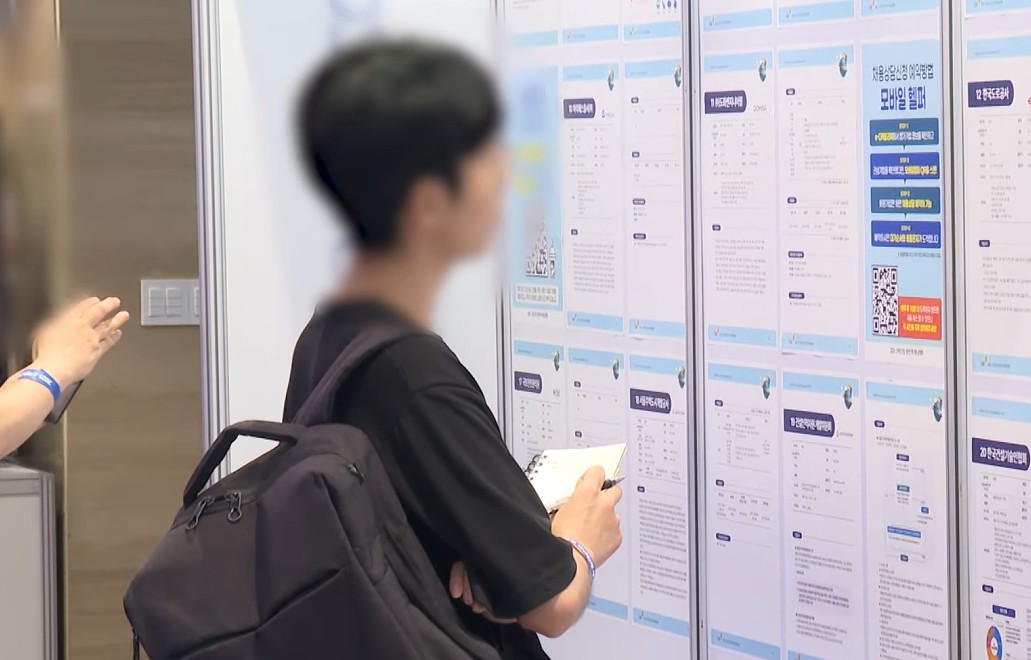
However, the growing reliance on AI has also triggered deep concerns about the job market. According to the same survey, 61.9% of respondents believe that the expansion of AI will negatively impact employment — a sharp rise from just 19.7% in 2023. These concerns are particularly strong among younger people, especially those seeking jobs or starting their careers, who fear that AI automation may make them redundant in the workplace.

READ MORE: South Korea Issues Highest Travel Warning for Parts of Cambodia
READ MORE: Gyeongju Gears Up for 2025 APEC Summit
In contrast, older professionals see AI as an opportunity rather than a threat. About 25% of workers aged 50 and above expressed positive views of AI, the highest across all age groups. The Chamber explained that senior workers in management roles tend to view AI as a strategic tool that helps them focus on higher-value tasks, such as planning and decision-making, rather than routine work.
Meanwhile, AI isn’t the only issue weighing on the minds of South Korea’s young job seekers. A separate survey by the Korea Employers Federation found that seven out of ten unemployed youth aged 20 to 34 fear that job opportunities will shrink if the government extends the country’s legal retirement age beyond 60. Many respondents believe that large corporations, government agencies, and state-owned companies — the most sought-after employers — would cut new hires under such a policy.
As these institutions remain top career goals for many young Koreans, any decline in hiring could worsen youth unemployment and heighten social tension, potentially undermining South Korea’s social cohesion. The ongoing debate over the AI job market in South Korea reflects both technological optimism and anxiety over a rapidly changing employment landscape.
Source: (1)











Leave a Reply