

Despite sky-high expectations, several K-pop debuts that flopped in 2024 have left fans questioning whether the industry is prioritizing marketing over music. Backed by major agencies and top producers, these rookie groups were poised to succeed—but missteps in strategy, concept, and execution proved costly.
Badvillain’s Bumpy Start Sparks Plagiarism Accusations
BPM Entertainment, known for VIVIZ and Taemin, launched their new girl group Badvillain in June 2024. Anticipation was high, but the debut was marred by immediate backlash. Fans noticed uncanny similarities between Badvillain’s teaser poster and BABYMONSTER’s 2023 debut imagery, and an audio preview also sparked accusations of copying.
Adding to the suspicion was the group’s oddly high debut view count—8 million views in just 12 hours—with little pre-release buzz. For comparison, NewJeans’ “Bubble Gum” reached 5 million in the same timeframe with a much larger fanbase. Yet despite the explosive view numbers, Badvillain’s album sold fewer than 2,100 copies, and the music video barely earned 160,000 likes—suggesting inflated views and aggressive ad targeting.
The resulting backlash led fans to question whether BPM sabotaged its own group by relying too heavily on manufactured virality. Months later, Badvillain’s momentum has fizzled out, becoming a case study in mismanaged hype.
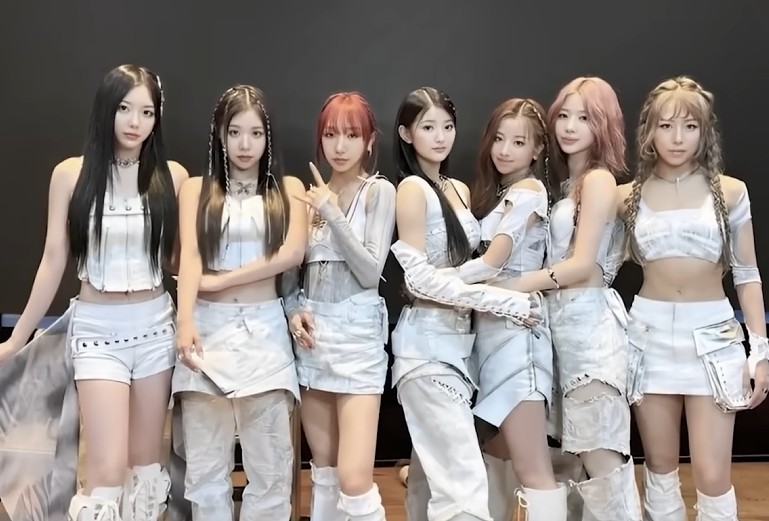
NMIXX’s “O.O” Misfire Shows Even Big Labels Can Slip
Though NMIXX officially debuted in 2022, their launch is still referenced when discussing K-pop debuts that flopped. Backed by JYP Entertainment, their debut song “O.O” aimed to innovate with a “Mix Pop” genre—but ended up confusing listeners. The track’s constant transitions and jarring structure left fans overwhelmed.
Controversy deepened when similarities were noted between “O.O” and ATEEZ’s “Illusion,” leading to plagiarism allegations. While ATEEZ’s original studio had no involvement, fans still criticized JYP for lacking creativity on such a crucial debut.
Though NMIXX has since improved with stronger releases, “O.O” remains a cautionary tale of trying to do too much at once—even with top-tier resources.
Meow’s Weak Debut Undercuts Teddy’s Track Record
The debut of Meow was expected to be a cultural reset. Produced by Teddy under The Black Label, the group had BLACKPINK-sized expectations riding on their shoulders. But the initial teaser—a lifeless a cappella version of “Meowo”—was a red flag. Fans found the visuals uninspired and the concept oddly generic.
When the full song dropped on September 6, critics noted it felt like a watered-down version of the classic YG formula, with repetitive “meow” chants, a forced dance break, and minimal vocal showcase. Only one member, Guion, stood out vocally.
IMZ Korea rated the song just one star, and fans echoed the sentiment. Meow’s talents only became apparent after they performed a well-received cover of Red Velvet’s “Psycho”—making the debut seem like a missed opportunity rather than a stepping stone.
BABYMONSTER’s Overdue Debut Disappoints Fans
BABYMONSTER’s debut had been hyped since January 2023, but multiple delays pushed their official launch to November of that year. The final product, “Batter Up,” didn’t meet expectations. While visually aligned with YG’s signature aesthetic, the song lacked freshness and came off as formulaic.
International backlash followed after members Ruka and Chiquita wore culturally insensitive styles, including a durag and box braids. Fans called out YG for failing to vet styling decisions, and the post-debut promotional push was lackluster.
Rather than generating momentum, BABYMONSTER’s debut felt like a relic of the past. Calls for a “re-debut” and a stronger concept have grown, suggesting that the group still has potential—if guided with more cultural awareness and creative innovation.
The Industry Is Reassessing Rookie Launch Strategies
Each of these K-pop debuts that flopped shared a common theme: overhyped expectations that weren’t backed by execution. Whether through questionable marketing tactics, overproduced songs, or cultural missteps, these failed launches underscore the growing gap between industry ambition and fan satisfaction.
As fans grow more discerning and demand authentic artistry over manufactured virality, agencies may need to rethink how they introduce their next generation of stars.





Leave a Reply